What Does a Wireless Receiver Do in an Emergency Alert System?
A wireless receiver picks up signals from connected transmitters and turns them into clear alerts using light, vibration, or sound. In an emergency alert system for deaf or hard of hearing users, receivers make sure critical events like smoke alarms, doorbells, or phone calls are noticed immediately, even during sleep.
How wireless receivers fit into a Visit alerting system
Wireless receivers are the alert side of the system. While transmitters detect events, receivers deliver the notification in a form the user can notice. Each receiver listens for signals from one or more transmitters and responds within seconds.
Receivers must always be used with a compatible transmitter. On their own, they do not detect events. Together, transmitters and receivers form a flexible emergency alert system receiver setup that works throughout the home.
This approach is especially useful for people who cannot rely on sound alone. Alerts are delivered through bright flashes, strong vibrations, audible tones, or a combination of all three.
Types of Visit receivers and how they alert
Different receivers are designed for different situations. Some stay in one place, while others are portable or wearable.
Common receiver types include:
-
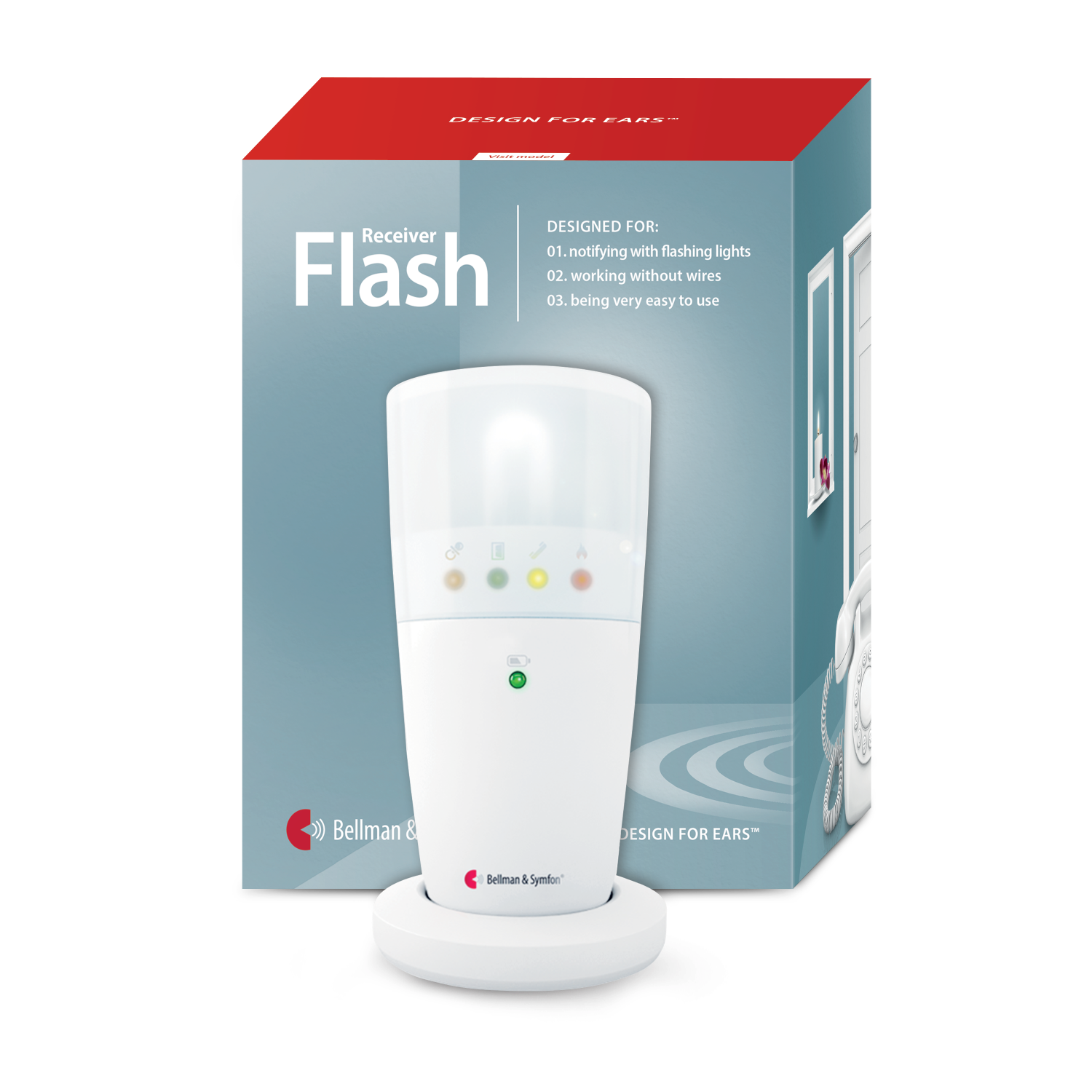
Flash receivers- which use powerful flashing lights and LED icons
-
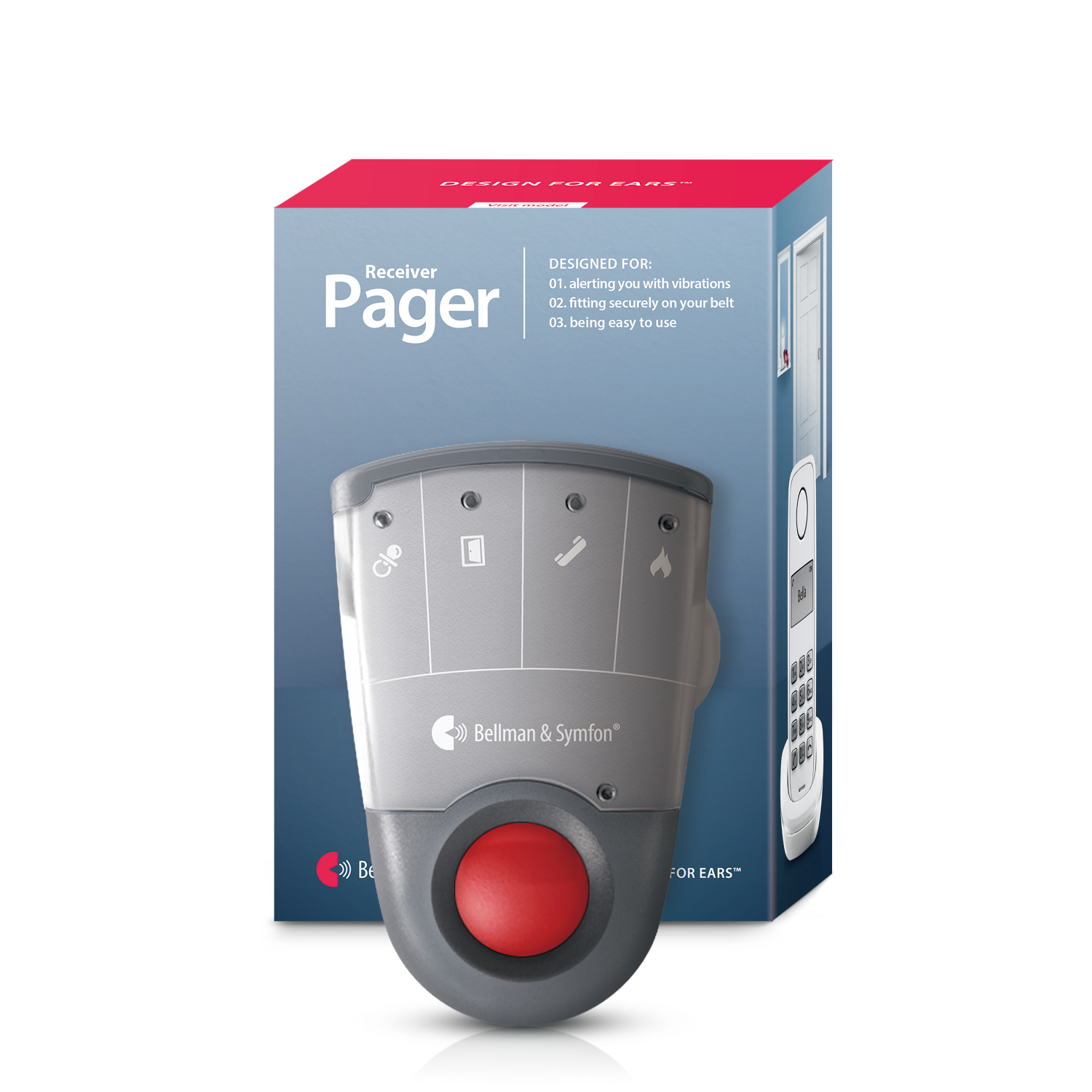
Pager receivers- which provide vibration alerts that can be worn
-
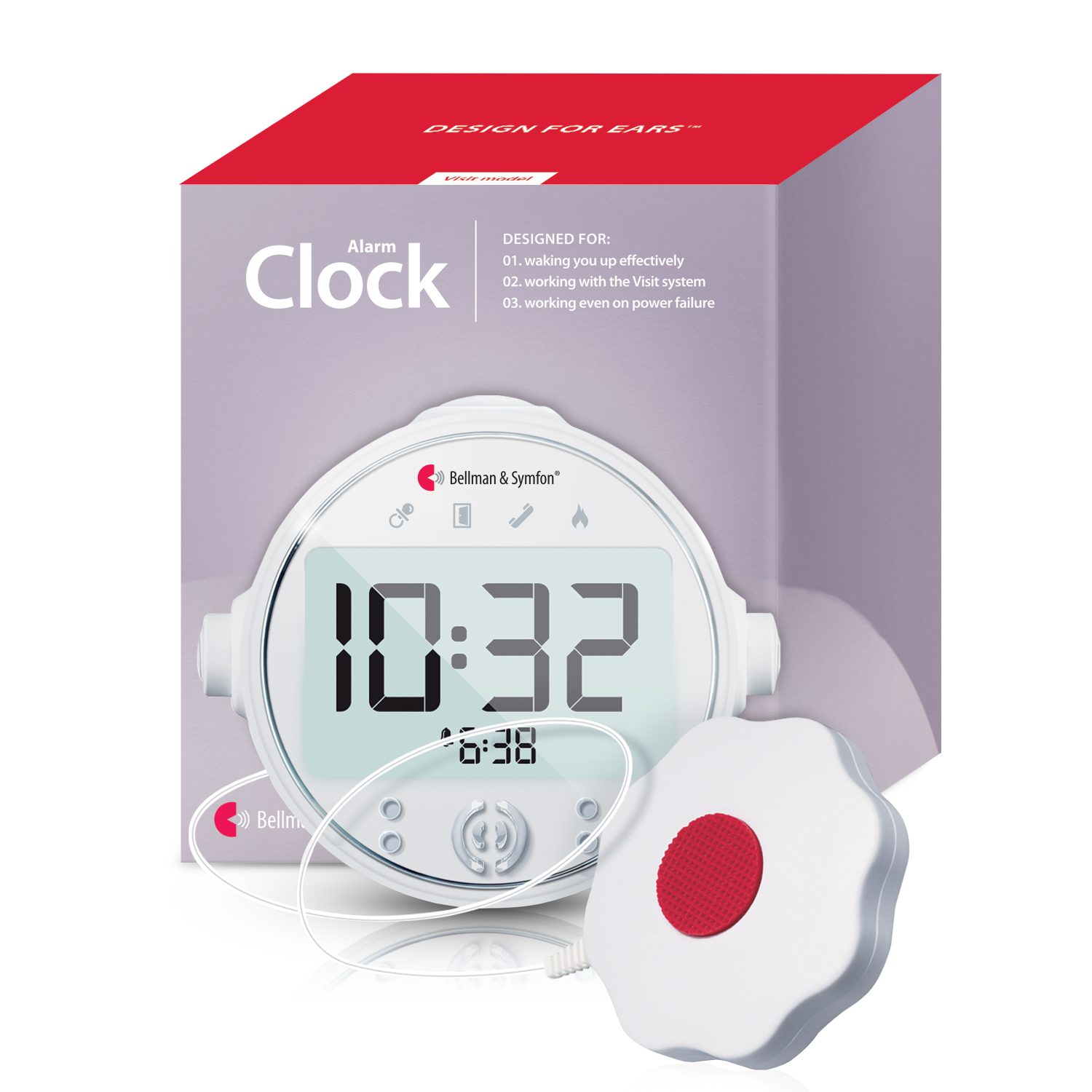
Alarm clock receivers- which combine sound, light, and vibration at the bedside
-
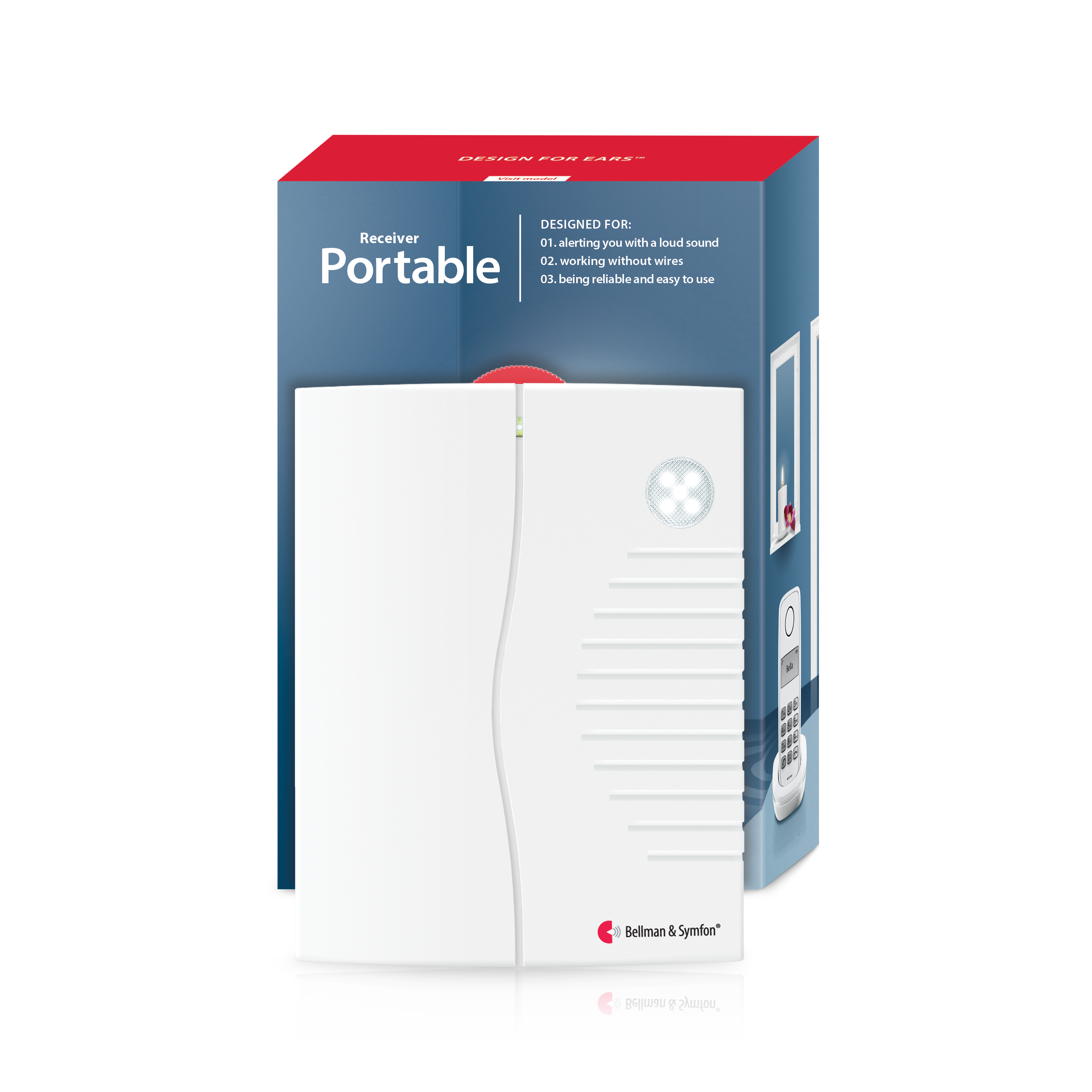
Portable receivers- which deliver alerts with adjustable sound around the home
-
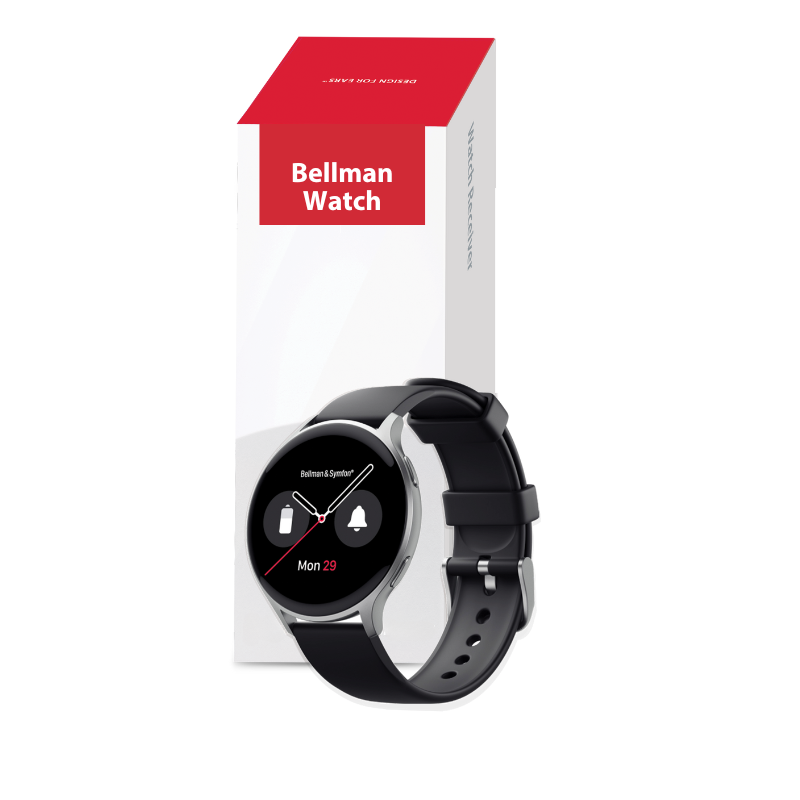
Watch receivers- which show clear icons and vibrations on the wrist
Each wireless receiver focuses on making alerts noticeable in specific daily scenarios.
Guide table: choosing the right wireless receiver
How do flash receivers provide emergency alerts at night?
A Bellman Visit flash receiver is often used in bedrooms or living spaces where visual alerts are most effective. When paired with smoke or CO transmitters, it ensures alerts are noticed even by deep sleepers.
This type of flash receiver plays a key role in an emergency alert system receiver setup, where missing an alert could have serious consequences.
How do portable and wearable receivers support daily movement?
Pager receivers and portable receivers are designed for mobility. A pager receiver delivers vibration alerts directly on the body, while a portable receiver can be carried from room to room.
These options are useful for people who move frequently around the home or want alerts while outside the bedroom. They also support a wireless entry alert chime with receiver setups for doorbells and visitors.
What should be considered when selecting receivers?
When building an alerting system, it helps to match receivers to daily routines. Many households use more than one receiver to cover different situations.
Key points to keep in mind:
- Receivers require at least one paired transmitter
- Multiple receivers can respond to the same transmitter
-
Alerts can be visual, tactile, audible, or combined
This flexibility helps create a reliable emergency alert system for deaf and hard of hearing users.
Frequently asked questions
Q: What is a wireless receiver used for?
A: It receives signals from transmitters and turns them into alerts using light, vibration, or sound.
Q: Can I use more than one receiver in the same system?
A: Yes. Multiple receivers can be connected to the same transmitters for broader coverage.
Q: Is a flash receiver suitable for sleeping?
A: Yes. Flash receivers are designed to deliver strong visual alerts that are hard to miss at night.
Q: Do receivers work without transmitters?
A: No. A receiver must be paired with a compatible transmitter to function.
Q: What receiver is best for alerts on the go?
A: Pager receivers and watch receivers work well for mobile and wearable alerts.
Q: Is this an emergency alert system for deaf users?
A: Yes. When paired with the right transmitters, receivers form a complete emergency alert system receiver solution.